Preventing Malaria
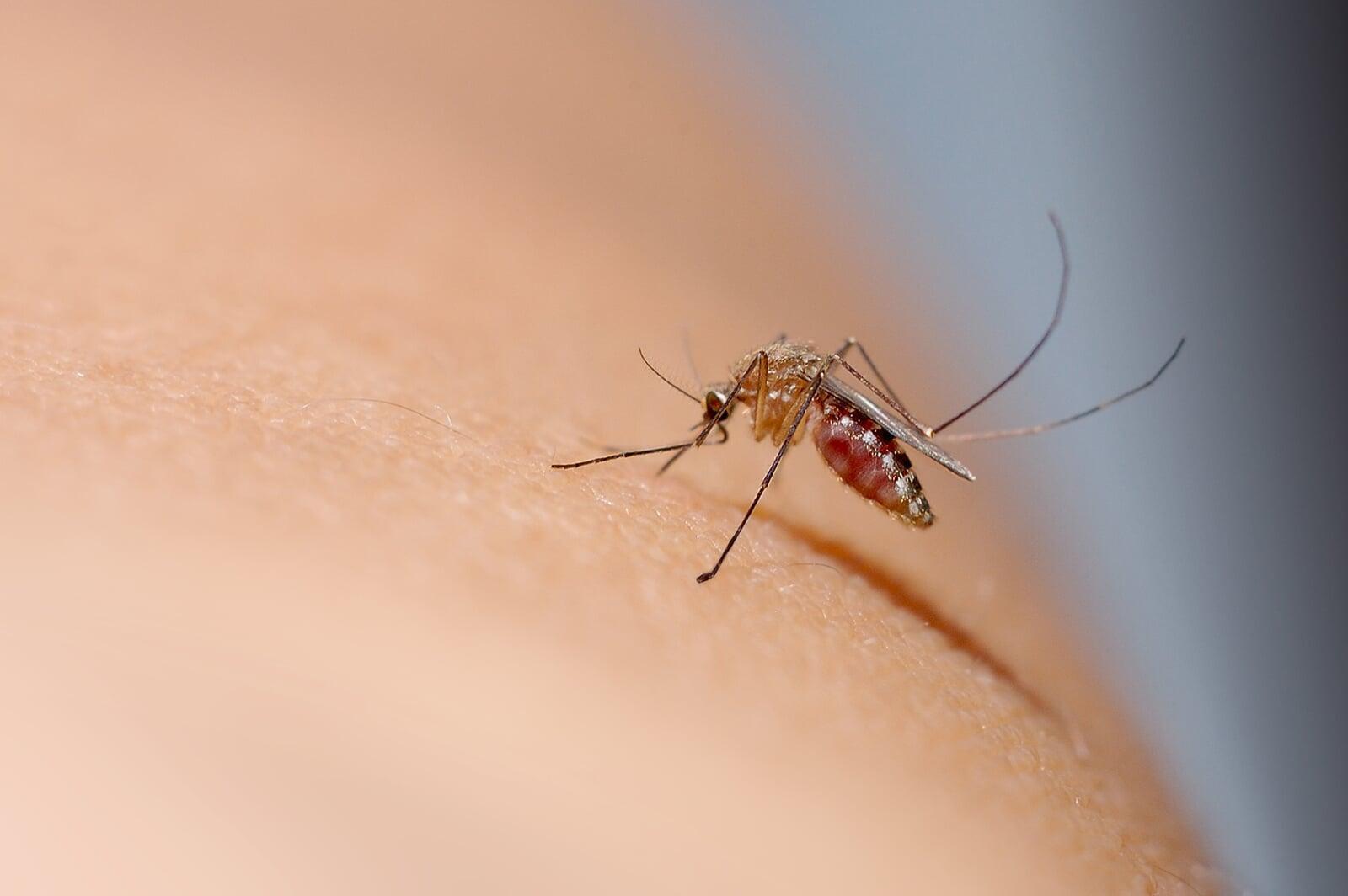
Mosquitos unwittingly spread Malaria, as well as other diseases, through biting humans. Those people living in endemic regions build up some resistance to Malaria, after repeated exposure, if they survive. Those people who do not live in endemic regions, including those who used to live in those regions, but left >1 year ago, are at increased risk for more severe disease when infected with Malaria.
In malaria-endemic regions, which currently includes >90 countries, it is especially important to try to prevent mosquito bites using long sleeves/long pants, bed nets, window screens and mosquito repellent containing DEET. Since mosquitos in these regions are particularly persistent and mosquito bites are inevitable, it is also important to take malaria prophylactic medication.
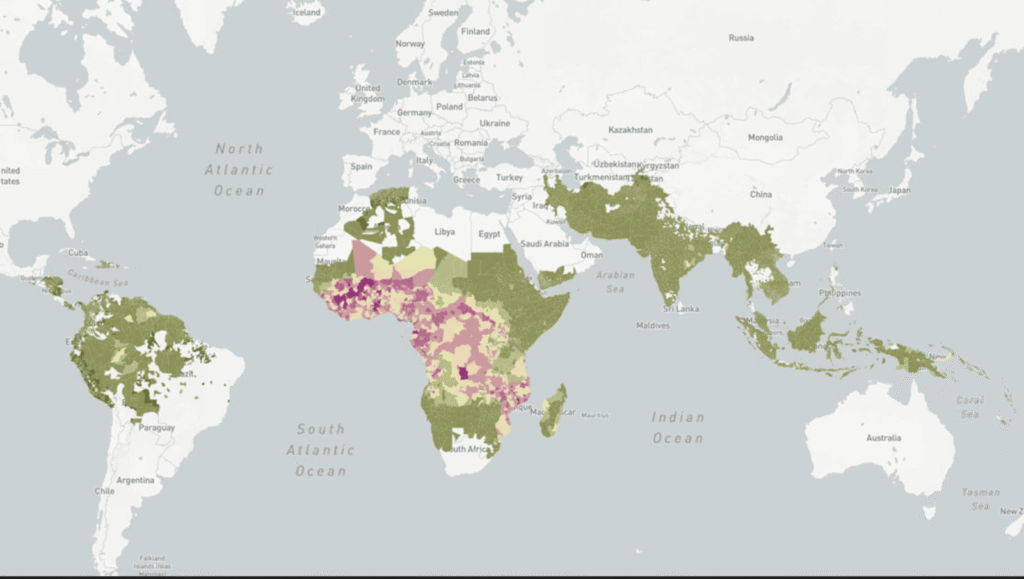
Malaria Prophylactic Medications are Currently Recommended in the following countries:
*means only in certain areas
Afghanistan Gabon Panama
Algeria* Gambia Papua New Guinea
Angola Georgia* Paraguay*
Argentina Ghana Peru
Azerbaijan* Greece* Philippines
Bangladesh Guatemala Russian Federation*
Belize Guine Rwanda
Benin Guinea-Bissau Sao Tome and Principe
Bhutan Guyana Saudi Arabia
Bolivia, Plurinational State Haiti Senegal
Botswana Honduras Sierra Leone
Brazil India Solomon Islands
Burkina Fasa Indonesia Somalia
Burundi Iran, Islamic Republic of South Africa
Cambodia Iraq*
Cameroon Kenya Sudan
Cape Verde Korea, Democratic People’s Republic of* South Sudan
Central African Republic Korea, Republic of* Suriname
Chad Kyrgyzstan* Swaziland
China Lao People’s Democratic Republic Syrian Arab Republic*
Colombia Liberia Tajikistan
Comoros Madagascar Thailand
Congo Malawi Timor-Leste
Congo, Democratic Republic of the Malaysia Togo
Mali Turkey*
Costa Rica Mauritania Uganda
Côte d’Ivoire Mayotte United Republic of Tanzania
Djibouti Mexico Uzbekistan*
Dominican Republic Mozambique Vanuatu
Ecuador Myanmar Venezuela, Bolivarian Republic of
Egypt Namibia Vietnam
El Salvador Nepal Yemen
Equatorial Guinea Nicaragua Zambia
Eritrea Niger Zimbabwe
Ethiopia Nigeria
French Guiana Oman
Pakistan
The current Malaria Prophylactic Medications available are the following:
Note: Not all Malaria Prophylactic Medication work in every country due to drug resistance. Medications are chosen based on countries visited, timeline of trip, and possible side effects.
Atovaquone/Proguanil (Malarone)
Taken once a day. Begin 1 – 2 days before travel, daily during travel, and for 7 days after leaving.
PROS:
Good for last-minute travelers
For those who prefer to take a daily medicine
Good choice for shorter trips because the traveler takes the medicine for only 7 days after leaving the malaria-endemic area
Well-tolerated and side effects uncommon
Pediatric tablets are available
CONS:
Cannot be used by women who are pregnant or breastfeeding a child less than 5 kg
Cannot be taken by people with severe renal impairment
Tends to be more expensive than some of the other options (especially for trips of long duration)
Taken once a week. Begin 1 – 2 weeks before travel, once/week during travel, and for 4 weeks after leaving.
PROS:
For those who prefer to take a weekly medicine
Good choice for long trips because it is taken only weekly
Some people are already taking Hydroxychloroquine chronically for rheumatologic conditions; in those instances, they might not have to take an additional medicine
Can be used in all trimesters of pregnancy
CONS:
Cannot be used in areas with Chloroquine or Mefloquine resistance
May exacerbate Psoriasis
Some people would rather not take medication for 4 weeks after travel
Taken once a day. Begin 1 – 2 days before travel, daily during travel, and for 4 weeks after leaving.
PROS:
For those who prefer to take a daily medicine
Good for last-minute travelers because the drug is started 1–2 days before travel
People already taking Doxycycline chronically to prevent acne do not have to take an additional medicine
Doxycycline also can prevent other infections (e.g., rickettsial infections, leptospirosis); thus, it might be preferred by people planning to camp, hike, and swim in freshwater where risk is high
CONS:
Cannot be used by pregnant women and children <8 years old
For trips of short duration, some people would rather not take medication for 4 weeks after travel
Women prone to getting vaginal yeast infections when taking antibiotics may prefer taking a different medicine
Can increase risk of sun sensitivity
Can cause stomach irritation
Taken once a week. Begin 1 – 2 weeks before travel, weekly during travel, and for 4 weeks after leaving.
PROS:
For those who prefer to take a weekly medicine
Good choice for long trips because it is taken only weekly
Can be used in all trimesters of pregnancy and during breastfeeding
CONS:
Cannot be used in areas with Mefloquine resistance
Cannot be used in patients with certain Psychiatric conditions
Cannot be used in patients with a Seizure disorder
Not recommended for persons with Cardiac conduction abnormalities
Needs to be started at least 2 weeks prior to travel
For trips of short duration, some people would rather not take medication for 4 weeks after travel
Taken once a day. Begin 1 – 2 days prior to travel, daily during travel, and for 7 days after leaving
PROS:
For those who prefer to take a daily medicine
One of the most effective drugs for prevention of P. vivax; thus, a good choice for travel to places with >90% P. vivax
Good for last-minute travelers because the drug is started 1–2 days before travel
CONS:
Cannot be used in patients with glucose-6-phosphatase dehydrogenase (G6PD) deficiency
Cannot be used in patients who have not been tested for G6PD deficiency (and there are costs and delays associated with getting a G6PD test done)
Cannot be used by pregnant women
Cannot be used by women who are breastfeeding unless the infant has also been tested for G6PD deficiency
Can cause stomach irritation
Taken once a day, then once a week. Begin daily for 3 days prior to travel, weekly during travel, and for 1 week after leaving.
PROS:
One of the most effective drugs for prevention of P. vivax malaria but also prevents P. falciparum
Good for last-minute travelers because the drug is started 3 days before travel
CONS:
Cannot be used in patients with glucose-6-phosphatase dehydrogenase (G6PD) deficiency
Cannot be used in patients who have not been tested for G6PD deficiency (and there are costs and delays associated with getting a G6PD test done)
Cannot be used by children
Cannot be used by pregnant women
Cannot be used by women who are breastfeeding unless the infant has also been tested for G6PD deficiency
Not recommended in those with psychotic disorders
Malaria Prophylactic Medications do need prescription orders from a Physician.
Check to see if you need malaria prophylaxis for your upcoming trip